
Can Carpet Stretching Fix Wrinkled Carpet
Yes, carpet stretching can fix wrinkled carpet in many situations, restoring a smooth, flat surface without the cost of full replacement. And understanding when stretching works and when it does not can help you make the right call for your floors.
Loose or wrinkled carpets are one of the most frustrating problems homeowners deal with, especially when the carpet itself is still in good condition. Though carpet wrinkles are rarely a sign that the carpet is worn out, with a professional carpet assessment, it can confirm whether a carpet wrinkle repair is the right path forward, or a more involved solution is needed.
When heavy furniture is dragged or frequently repositioned, it pulls against the carpet's anchoring points. The weight of sofas, beds, and cabinets can stretch or compress carpet fibers unevenly, weakening the material's original tension and creating loosened sections over time.
What Causes Carpet Wrinkles and Ripples
Carpets don’t develop wrinkles overnight. In most cases, the problem builds gradually and stems from one of a few common loose carpet causes.
Poor Carpet Installation
Improper carpet installation is one of the leading causes of wrinkles and ripples, particularly when the carpet wasn’t stretched tightly enough during the initial fitting. Without proper tension across the floor, the material shifts over time, and carpet ripples begin to form across the surface.
Humidity and Moisture
Humidity and moisture exposure are also frequent contributors, especially in homes where indoor conditions fluctuate seasonally. When carpet fibers absorb moisture from the air, it causes them to expand and contract, a process commonly referred to as humidity carpet expansion.
Heavy Foot Traffic
Heavy foot traffic is another common factor that contributes to carpet loosening over time. In high-use areas such as hallways, living rooms, and entryways, constant pressure gradually breaks down the carpet's grip on the underlying padding and tack strips, eventually leading to visible ripples, waves, or slack areas across the surface.
Furniture Movement and Pressure
When heavy furniture is dragged or frequently repositioned, it pulls against the carpet's anchoring points. The weight of sofas, beds, and cabinets can stretch or compress carpet fibers unevenly, weakening the material's original tension and creating loosened sections over time.
How Carpet Stretching Works
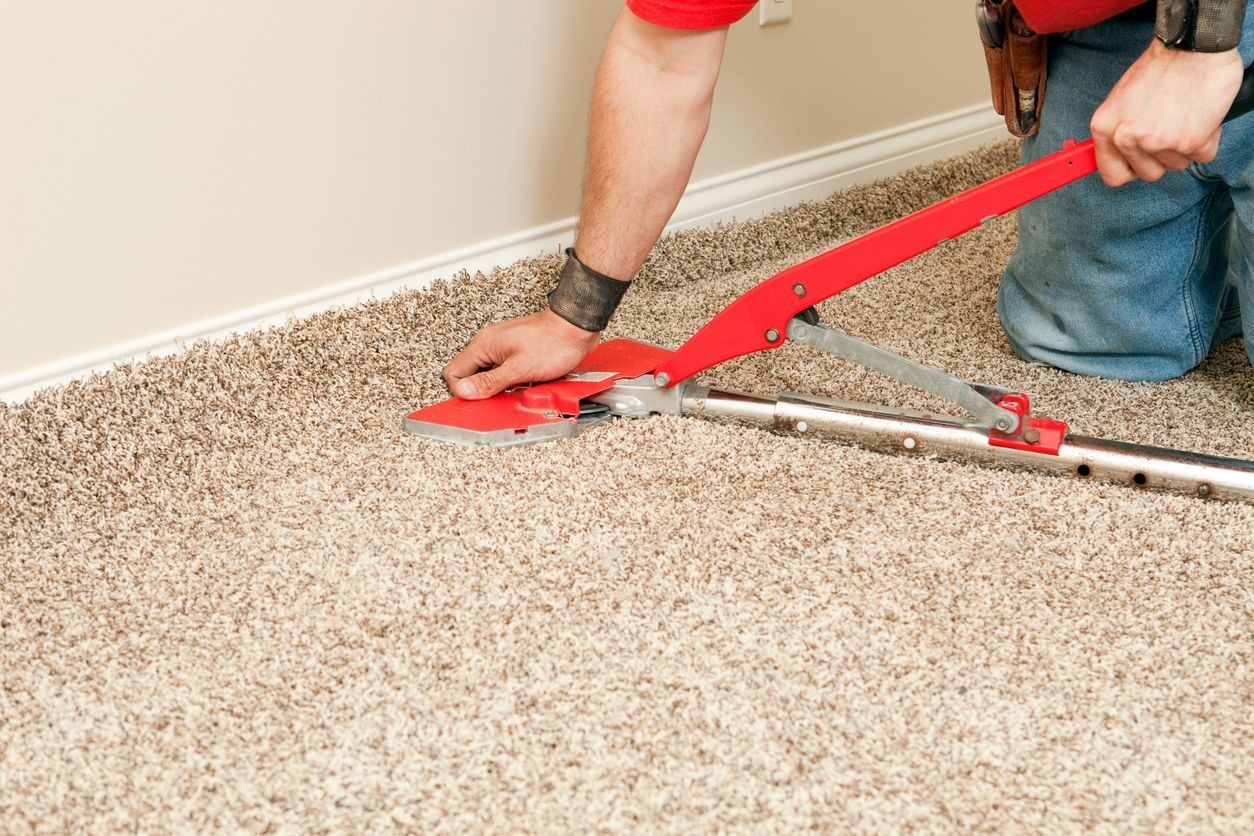
Carpet stretching restores the carpet's original tension and appearance through a controlled, methodical process. Here is what a professional technician does from start to finish:
- A technician uses a power stretcher to grip the carpet and apply controlled force from one end of the room to the other. This ensures even tension is applied across the entire surface rather than in isolated areas.
- As tension is applied, the carpet is gradually pulled back into a flat position, removing waves, ripples, and loosened sections that have developed over time.
- The loosened carpet is then reattached firmly to the tack strips along the perimeter of the room, securing it back into its original position.
- Furniture is moved before work begins to allow full access to the flooring. The technician works methodically across the room to ensure consistent tension and a smooth finish throughout.
- In some cases, excess carpet material is trimmed before the edges are secured, especially if the carpet has shifted significantly over time.
This process requires professional-grade tools and hands-on experience to re-tension the carpet correctly and secure it properly along the edges. Once completed, the carpet lies flat and tight across the floor, restoring a smooth, even appearance close to its original installation.
When Carpet Stretching Is the Right Solution
Stretching is most effective when the carpet itself is still structurally sound. When the fibers are still intact, that also means that the padding is still in good condition, and the damage is limited to minor ripples or buckling.
If this is the case, re-stretching is usually the right call, as it addresses the root cause directly rather than covering up the problem. Plus, the re-stretch carpet cost is far lower than a full replacement.
Stretching tends to be the right solution when:
- The carpet has visible ripples, waves, or buckling across the surface.
- Loose edges or corners have become tripping hazards in high-traffic areas.
- The wrinkling appeared after furniture was moved, or the room experienced moisture
- The carpet is otherwise in good condition with no significant wear or fiber damage.
If any of these apply to your home in Montgomery County, a professional inspection can confirm whether carpet repair services or re-stretching will resolve the issue completely and fix rippled carpets.
Benefits of Professional Carpet Stretching Service
Investing in professional carpet stretching offers several key advantages that protect your floor and save you money over time.
More Stable Than DIY Methods
Professional carpet stretching delivers more consistent and long-lasting results compared to DIY methods. Technicians use specialized equipment such as a power stretcher, which applies even, controlled tension across the entire room. This ensures the carpet is properly re-secured and maintains its shape and stability over time.
No Costly Replacement
Consumer-grade tools often fail to achieve proper tension, resulting in uneven stretching that can lead to soft spots, ripples, or loosening within a short period. When these issues return, what was intended as a simple repair can eventually lead to repeated fixes or even full carpet replacement, increasing long-term costs.
The Results Last
A properly stretched carpet stays flat for years. Professional technicians secure the material to the tack strips with enough tension to withstand normal foot traffic, furniture weight, and seasonal humidity changes. That level of precision is difficult to replicate without the right equipment and hands-on experience
Your Carpet Is Protected
Incorrect stretching technique can stress the carpet backing and cause permanent damage to the fibers. Only a trained technician knows how much tension to apply and where, which protects the material and extends the life of the floor. For homeowners in Montgomery County, investing in professional carpet stretching and repair services means getting the job done right the first time.
The Finish Looks Right
Beyond function, professional stretching restores the appearance of the floor. Ripples and buckles can make even a clean room look worn and neglected. But with a smooth, evenly tensioned carpet, it makes a noticeable difference in how a space looks and feels underfoot.
When You Should Replace Instead of Repair
Stretching solves a lot of carpet problems, but it is not the right answer for every situation. There are cases where the carpet has deteriorated beyond what re-tensioning can address. Knowing the difference can save time and money before committing to a repair that will not hold.
If any of the following apply, replacement is likely the more practical path:
- Significant Fiber Wear — If the carpet surface is visibly thinning, severely worn in heavy traffic areas, or showing signs of delamination where the backing separates from the fibers, stretching will not restore it to a functional condition.
- Underlying Damage — When severe buckling is paired with water damage or mold underneath, re-stretching the surface is ineffective because it does nothing to address the issues happening beneath the carpet.
- Carpet Age and Lifespan — Most carpets have a lifespan of eight to fifteen years depending on material quality and level of traffic. A carpet well past this range that shows multiple signs of wear is generally better replaced than repaired, even if the wrinkles could technically be fixed.
- Worn-Out Carpet Padding — Carpet padding is the foundation of your flooring. Over time, it compresses, crumbles, and loses its cushion. If the padding has completely deteriorated or flattened, stretching the top carpet layer will not restore comfort, and wrinkles will likely return within months because the foundation is gone.
- Persistent Odors and Allergens — Stretching fixes a physical wrinkle but does nothing for a health hazard. If a carpet has trapped pet dander, deeply embedded odors, or triggers frequent allergy flare-ups even after a professional deep cleaning, the contaminants are likely trapped in the backing or subfloor and require a complete tear-out.
- Permanent Staining and Discoloration — If a carpet has large bleach spots, widespread pet accident damage, or heavy UV fading from windows, stretching will only create a smooth surface over an eyesore. Severe aesthetic damage across a room is a strong indicator that replacement makes more sense.
- Matting and Crushed Fibers — In high-traffic walkways, synthetic carpet fibers such as polyester or olefin can get crushed to the point where they lose their texture and can no longer spring back. When fibers are permanently matted down into flat, worn paths, stretching cannot revive the pile.
How to Prevent Carpet Wrinkles in the Future
Most carpet wrinkling is preventable with the right habits in place from the start. While the condition of the installation matters most, how you care for the carpet over time also plays an equally important role in keeping a carpet flat and secure for years to come.
Getting the Installation Right
A carpet that is properly stretched and secured during fitting is far less likely to develop ripples down the line. If you are having new carpet installed in your Montgomery County home, make sure the installer uses a power stretcher rather than a knee kicker alone, as knee kickers do not provide enough tension across larger rooms.
Building Habits to Prevent Carpet Damage
Once the carpet is down, a few ongoing habits can help maintain it:
- Use furniture coasters or pads under heavy pieces to distribute weight evenly across the floor.
- Avoid dragging furniture directly across the carpet when rearranging a room.
- Address spills and moisture quickly to prevent the fibers from absorbing excess water.
Practicing Proper Routine Maintenance
Routine maintenance also plays a key role in preserving the carpet's tension and overall structure over time. Regular inspection allows you to catch early signs of rippling or shifting before they become more noticeable issues. Light vacuuming helps maintain the integrity of the fibers by preventing them from becoming overly compacted in high-traffic areas. In some cases, periodic professional cleaning can also help refresh the carpet's backing and restore its original condition, keeping it looking and feeling more secure for longer.
Managing Indoor Humidity
Managing indoor humidity also makes a difference over the long term. Carpet can expand and contract with changes in moisture levels, and homes with significant seasonal swings are more prone to buckling. That’s why keeping indoor humidity consistent with a dehumidifier or HVAC system helps reduce the stress placed on the carpet over time.
Conclusion
While wrinkled carpet is a frustrating problem, it rarely means you need to invest in a costly replacement. Catching the issue early and opting for professional carpet stretching can completely restore your floors and add years to their lifespan.
If you want to find out whether your carpet flooring can be saved, A1 Sparkles handles carpet stretching and repair for homeowners across Montgomery County, PA. We take the time to evaluate the condition of your carpet before recommending a solution, so you know exactly what to expect before any work begins.
When your carpet has started to ripple, buckle, or lift at the edges, we are here to help.