
How Often Should Dryer Vents Be Cleaned
A load that used to dry in 45 minutes is now taking two cycles. The laundry room feels warmer than it should. There's a faint burning smell that wasn't there six months ago. These are the moments most homeowners first start thinking about their dryer vent, and in most cases, lint mixed with residue from laundry detergent and fabric softener has been collecting inside that duct for far longer than they realize.
So how often should dryer vents be cleaned? For most households in Montgomery County, once a year is the right answer. The dryer vent cleaning frequency that actually works for your home depends on how long your vent run is, how often the dryer gets used, and a few other factors worth understanding before you set a schedule.
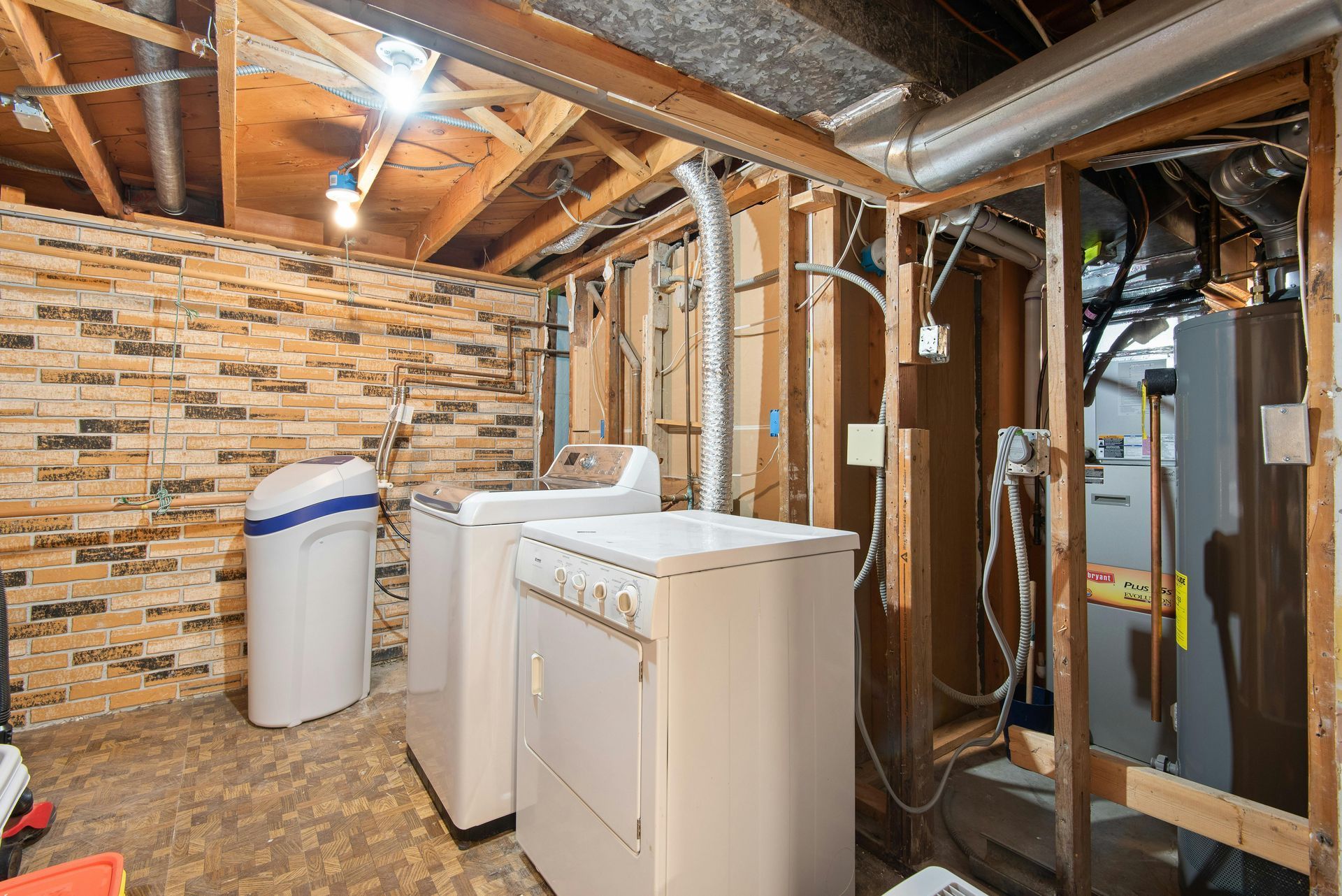
Recommended Dryer Vent Cleaning Frequency
Once a year is the standard recommendation for most homes, and it holds up well for households running four to five laundry loads per week through a typical vent configuration. Regular dryer vent cleaning on that schedule keeps lint buildup manageable and the system running efficiently.
Some homes need more frequent attention. If there are four or more people in the household and the dryer runs daily, debris accumulates noticeably faster, and every six months is a more realistic interval. The same goes for homes with dogs or cats that shed year-round. Pet hair mixes with lint and creates denser clogs that form more quickly than most people expect.
Vent length matters too, and it's where a lot of older Montgomery County homes run into trouble. Homes across the area, including those needing cleaning services in Abington, PA, were commonly built in the 1980s and 1990s with long, winding duct runs and multiple bends that trap lint at every turn. Lint catches at every turn in that kind of system, and a single year of buildup in a 20-foot run with three elbows looks very different from a straight six-foot vent. If that describes your setup, a yearly cleaning schedule may not be enough.
Warning Signs Your Dryer Vent Is Clogged
Most vent problems don't announce themselves with an obvious failure. They show up in small ways that are easy to write off as the dryer getting old or the laundry just being heavier than usual. A clogged dryer vent in particular tends to develop gradually, which is why the warning signs are worth knowing before a problem gets serious.
Watch for any of the following:
- Clothes take longer than one cycle to dry. Restricted airflow traps moisture inside the dryer drum, and drying times stretch, sometimes to double what they used to be.
- The dryer or laundry room feels unusually hot. Heat that can't exhaust properly gets pushed back into the machine and the room around it.
- A burning smell during or after a cycle. Lint overheating inside the duct produces a distinct smell that shouldn't be ignored or written off as normal.
- Excess lint collecting around the dryer or on clothing. When a clogged vent can't move lint out, it ends up somewhere else.
- The exterior vent flap stays closed while the dryer is running. That flap should open with each cycle. If it isn't, airflow through the duct is seriously restricted.
Two or more of these showing up at the same time is a clear signal to get the vent inspected sooner rather than later.
Fire Risks and Safety Concerns You Shouldn't Ignore
Here's a number worth knowing: dryers cause nearly 16,000 dryer fires in the United States every year, according to the National Fire Protection Association. Failure to clean is the leading contributing factor, not mechanical failure, not electrical issues. Lint that's been left to accumulate.
Older homes in Montgomery County face a higher version of this risk. The longer, more complex vent configurations common in homes built in the 1980s and 1990s give lint more places to collect and less room for airflow to push it through. Professional equipment that covers the full duct end to end is often the only way to actually clear those systems.
Gas dryers add another layer to this. A blocked vent on a gas dryer doesn't just create a fire hazard. It can cause carbon monoxide to back up into the living space rather than exhaust outside, which directly affects indoor air quality in ways that aren't immediately obvious. That's a serious concern that makes staying current on vent cleaning more urgent for gas dryer households.
Benefits of Professional Dryer Vent Cleaning Services
Cleaning the lint trap after every load is the right habit. It just doesn't reach the duct. Lint that makes it past the trap travels through the entire dryer system and collects along the way, especially at bends and restrictions, spots a household brush kit or vacuum attachment can't reliably reach.
Full System Access
Professional technicians use high-powered equipment built specifically for dryer vent systems. It reaches the complete vent run, including every bend and turn where debris tends to pack in tightest. For homes with longer or more complex duct layouts, the difference between a DIY attempt and a proper professional cleaning is often significant.
Before-and-After Documentation
Airflow gets measured before and after the cleaning so the improvement is documented, not just described. That before-and-after reading also helps identify whether anything deeper in the duct system needs attention while the technician is already on site.
Same-Visit Repairs
Loose connections, minor vent damage, and worn components are common findings during a cleaning appointment. Addressing them during the same visit is considerably easier than scheduling a separate service call after the fact.
A1 Sparkles' dryer vent cleaning services cover the full system inside and out. With over 26 years serving Montgomery County and a veteran-owned team that knows the area's housing stock well, they're a dependable local option for homeowners who want the job done properly.
How Dryer Vent Cleaning Improves Efficiency
Every load your dryer runs with a restricted vent costs more than it should. The machine has to run longer to move the same amount of moisture out, and that extra time adds up across hundreds of loads per year.
Faster Drying Times
A properly cleared vent lets moisture move out the way the dryer was designed to move it. Homeowners who've gone a year or two between cleanings often notice the difference immediately after a professional service. A clean dryer vent means loads that were taking two cycles start finishing in one again.
Lower Energy Costs
Longer run times mean higher electricity or gas usage with every load. For a household running the dryer five or six times a week, a partially blocked vent can quietly add a noticeable amount to monthly utility bills. It's one of those inefficiencies that's hard to track until the vent gets cleared and the results become obvious.
Extended Appliance Life
Restricted airflow forces the heating element and motor to work harder and run hotter than they're rated for. Lint can also collect inside the dryer cabinet around the motor and heating components, compounding the strain over time. Regular duct maintenance removes that stress and lets the dryer operate the way it was built to.
DIY vs. Professional Dryer Vent Cleaning
Lint trap maintenance is squarely in homeowner territory and should be done after every load. That's not in question. The issue is that the lint trap sits at the beginning of the system. Everything that makes it past the screen ends up in the duct, and that's where DIY tools start to fall short.
Brush kits sold for home use work reasonably well on short, straight vent runs. A six-foot duct with no bends is a fair candidate if you want to clean your dryer vent yourself. A 20-foot run with multiple elbows is a different situation entirely, and most consumer brush kits simply don't have the length or the suction to clear it completely. It's also worth checking the dryer vent hose behind the machine, as that flexible section connecting the dryer to the wall duct is a common spot for kinks, crushing, and lint buildup that often gets overlooked.
| DIY Cleaning | Professional Cleaning | |
|---|---|---|
| Lint trap cleaning | Yes | Yes |
| Full duct length reached | Rarely | Yes |
| Bends and turns cleared | Unlikely | Yes |
| Airflow testing | No | Yes |
| Minor repairs addressed | No | Yes |
| Recommended frequency | Monthly (lint trap) | Annually |
| Equipment used | Standard brush kit | High-powered professional equipment |
For most homes, the practical answer is both. Homeowners take care of the lint trap consistently, and a professional handles the full duct once a year. That combination covers the system at every point and eliminates uncertainty about whether the vent has actually been cleared.
Conclusion
Dryer vent cleaning doesn't come with obvious reminders. The duct is hidden, the dryer keeps running, and the warning signs tend to build slowly enough that they're easy to rationalize. By the time most homeowners notice something is wrong, lint has been accumulating for a year or more.
Scheduling a professional cleaning once a year takes that risk off the table for most Montgomery County households. Homes with heavier usage, longer vent runs, or older duct layouts may need that interval shortened. Regular vent cleaning is one of the simpler maintenance habits that pays off in both safety and appliance performance, and the warning signs in this guide are worth keeping in mind so a developing problem doesn't go unnoticed until it becomes a serious one.
A1 Sparkles has been serving Montgomery County homeowners for over 26 years. If the dryer vent is overdue or you're not sure when it was last cleaned, their team is worth a call.