How Often Should Area Rugs Be Professionally Cleaned
Vacuuming keeps a rug looking decent, but it only goes so far. Dust, pet dander, and allergens work their way deep into the fibers where a vacuum simply cannot reach, and that buildup happens faster than most people realize. Knowing how often to clean area rugs professionally, and why it matters, can save you from replacing a rug years before you should have to.
The right answer is not the same for every household. Rug material, foot traffic, pets, kids, and even the season all play a role in how quickly a rug accumulates soil. This guide breaks it down practically so you can figure out what schedule actually makes sense for your home.
Recommended Cleaning Schedule for Different Rug Types
Area rug cleaning frequency starts with understanding what your rug is made of. The same cleaning method that works fine on a synthetic rug can permanently damage a wool or natural fiber one, so knowing your material is the first step.
Synthetic Rugs
Nylon, polyester, and olefin rugs are built for durability. They resist staining reasonably well and handle regular foot traffic without breaking down quickly. For most homes, professional cleaning once every 12 to 18 months is sufficient as long as regular vacuuming is happening in between.
Wool Rugs
Wool holds up well to wear, but wool rug maintenance is a different process than cleaning synthetics. The fibers can mat, shrink, or discolor if exposed to the wrong products or too much moisture. Annual professional cleaning is a sensible baseline, and the technician handling it should have specific experience with wool.
Oriental and Persian Rugs
Oriental rug cleaning calls for a careful, measured approach and specialized care. Hand-knotted construction and natural dyes make these rugs particularly vulnerable to harsh chemicals and aggressive cleaning techniques. Professional cleaning every one to three years is typical for most placements, though the method used matters just as much as the frequency.
Natural Fiber Rugs
Jute, sisal, and seagrass rugs do not respond well to water. Standard wet cleaning causes shrinkage, warping, and fiber breakdown in ways that are difficult or impossible to fix. A professional who understands delicate rug fibers is the only safe option for these materials.
For most households, a yearly deep clean is a reasonable starting point. The sections below help you adjust that based on how your home actually gets used.
How Foot Traffic Impacts Rug Cleaning Frequency
A rug in a guest bedroom lives a very different life than one sitting at your front door or under a dining table. Foot traffic is one of the biggest factors in figuring out how often to clean rugs, and applying a one-size-fits-all schedule means some rugs go far too long without attention.
Low-traffic areas like bedrooms and home offices can typically go 18 to 24 months between professional cleanings. Living rooms and dens fall somewhere in the middle, with annual cleaning being a practical target. High-traffic spots like entryways, hallways, and under dining tables usually need more frequent cleanings, roughly every 6 to 12 months.
Pet owners and households with small children should push those numbers toward the shorter end. Dander and pet hair settle fast, and dirt trapped in rugs from daily activity builds up in ways that regular vacuuming does not fully address. If you have dogs or cats that spend time on your rugs, annual professional cleaning at minimum is worth building into your routine.
Montgomery County homes also deal with heavier soil tracked in during the wetter spring months, and muddy paws from dogs after a rainy day do not help. It is one reason spring tends to be a busy season for rug and carpet care in the area, and it is a natural time to schedule a professional cleaning if you have not already.
Signs Your Area Rug Needs Deep Cleaning
Sometimes a rug tells you it needs attention before the calendar does. These are the signs worth taking seriously.
- Dull or flat appearance: Ground-in soil compresses fibers and embedded dirt strips color over time. If a rug that used to look vibrant now looks flat and lifeless, vacuuming will not fix it.
- Persistent odors: A stale, musty, or pet-like smell that survives vacuuming is not coming from the surface. It is coming from deep in the fibers, and surface cleaning will not reach it.
- Visible staining: Spills that were not fully treated at the time tend to set. The longer a stain sits, the harder rug stain removal becomes, and some set stains are permanent.
- Increased allergy symptoms: Rugs can hold onto a surprising amount of dust, dander, and allergens before they visibly look dirty. For people who suffer from asthma attacks or seasonal allergies, a heavily soiled rug can make symptoms noticeably worse.
- ·Texture changes: A rug that feels rough or stiff underfoot when it used to feel soft has likely accumulated enough soil and residue to alter the fiber structure itself.
Any one of these signs is a reason to schedule a cleaning sooner rather than sticking to the original timeline.
Benefits of Professional Rug Cleaning
Vacuuming handles what sits on top of a rug. It does not get to the soil, bacteria, and allergens that work their way into the deeper layers of the fibers, and that buildup has a real impact on indoor air quality over time. Professional cleaning does.
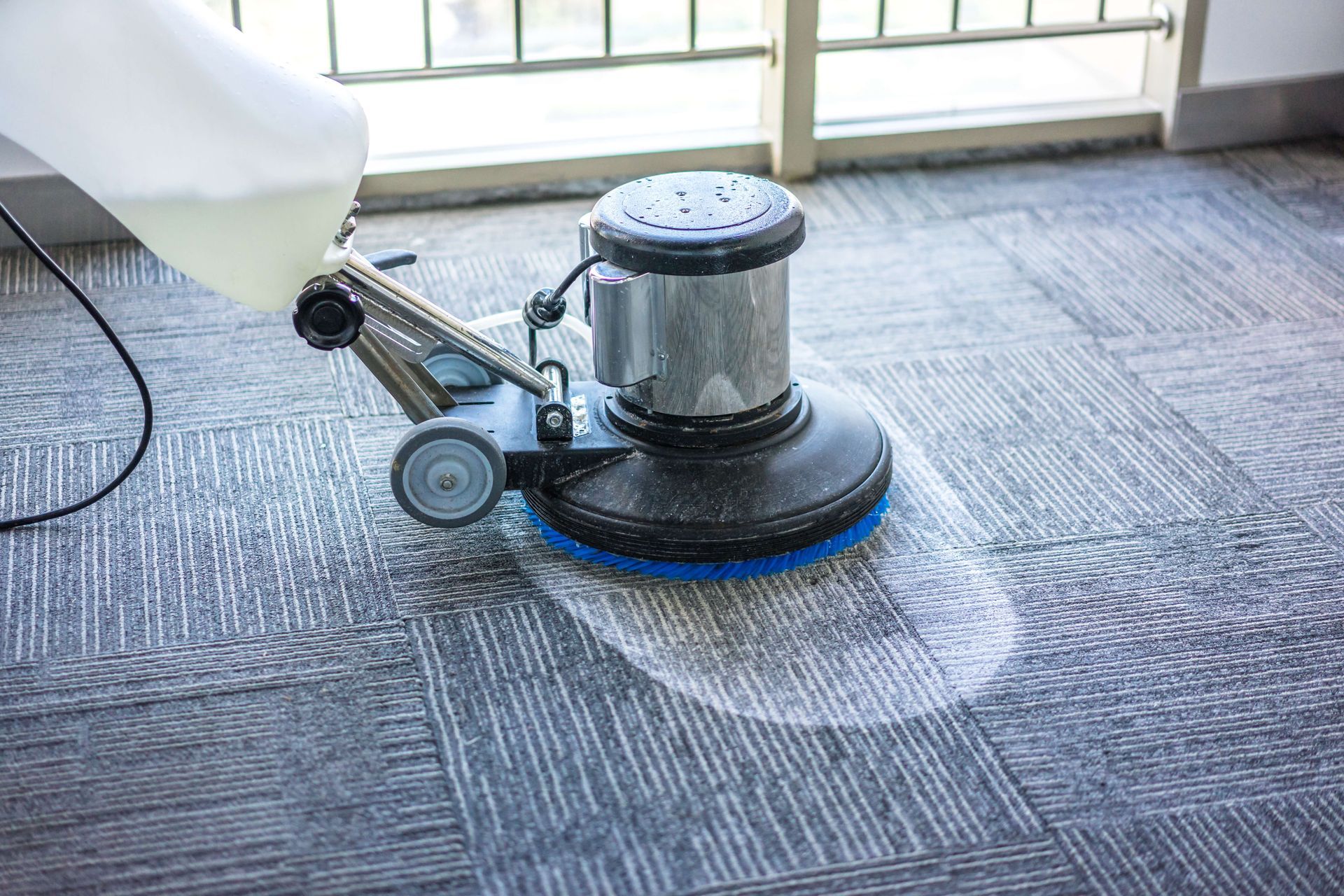
Before any cleaning begins, a trained technician should assess the rug's fiber type, construction, and current condition. Methods like steam cleaning and hot water extraction are highly effective but need to be matched to the right rug type. Too much moisture on wool, the wrong chemical on natural dyes, aggressive scrubbing on hand-knotted construction, any of these can shorten a rug's life significantly and the damage is often irreversible.
There is also the long-term wear factor. Soil particles are abrasive. Every step across a dirty rug grinds those particles against the fibers. Regular professional cleaning removes that abrasive buildup and keeps the fibers intact far longer than a rug that goes without care.
Homeowners in Abington, Cheltenham, Ambler, and across Montgomery County can get that level of care from A1 Sparkles. Their area rug cleaning services are carried out by Carpet and Rug Institute Gold Certified technicians with over 26 years of experience and an A+ BBB rating behind them.
How to Maintain Rugs Between Professional Cleanings
Professional cleaning handles the deep work, but what happens between appointments affects how quickly a rug deteriorates. A few practical habits make a real difference.
- Vacuum regularly: Twice a week for high-traffic rugs, once a week for lower-traffic ones. Regularly vacuuming with adjustable suction settings protects delicate fibers from the repeated pressure that breaks them down over time. Avoid maxing out the suction on finer or more delicate rugs.
- Rotate your rugs: A 180-degree rotation every six months distributes wear more evenly and prevents one section from fading or compressing faster than the rest.
- Use a rug pad: A good pad reduces fiber compression, keeps the rug from slipping, and helps it hold its shape under regular foot traffic.
- Blot spills, do not rub: Rubbing drives liquid deeper into the fibers. Blotting with a clean cloth lifts it out. It is a simple habit that makes rug stain removal significantly easier down the line.
- Watch sun exposure: Prolonged direct sunlight fades colors and weakens fibers, especially in wool and natural fiber rugs. Rotating helps, but moving the rug away from direct light is the better fix.
None of these replace a professional cleaning, but they do extend the window between appointments and reduce the risk of damage in the meantime.
Common Mistakes That Damage Area Rugs
Plenty of rug damage comes from well-intentioned cleaning attempts that go wrong. These are the mistakes that come up most often.
- Over-wetting during spot cleaning: Too much water pushes moisture into the rug's backing and padding, creating the right conditions for mold and mildew. Wool and natural fiber rugs are especially vulnerable to this.
- Using the wrong products: Bleach, general-purpose household cleaners, and store-bought carpet cleaner products are not formulated for delicate rug fibers. They strip dyes, weaken the pile, and cause discoloration that typically cannot be undone.
- Rubbing stains: It feels instinctive, but rubbing spreads the stain and damages the fiber pile. Blotting is always the right move.
- Treating all rugs the same: An oriental rug and a synthetic area rug are not interchangeable when it comes to cleaning. Applying the same method to both is a common mistake that leads to shrinkage, bleeding, or permanent texture damage.
- Letting too much time pass: By the time a rug visibly looks dirty, significant soil has already accumulated deep in the fibers. Waiting until it looks bad usually means the damage is already done.
A consistent regular cleaning schedule, combined with avoiding these mistakes, is what keeps rugs in good shape for the long run. For homeowners looking for cleaning services in Abington, PA, A1 Sparkles is a straightforward call when professional care is needed.
Conclusion
How long an area rug lasts comes down to how consistently it is cared for. Getting the cleaning frequency right for the rug type and how the space gets used, catching problems early, and keeping up with basic maintenance between appointments are the things that actually make a difference over the years.
A1 Sparkles has been working with Montgomery County homeowners for over 26 years. If you are unsure where your rugs stand or want to get them professionally assessed, their certified team is a straightforward place to start.