
Why Tile Grout Gets Dirty and How to Restore It
Nobody really thinks about grout until it's already a problem. You mop the floor, the tile looks decent, but there's still something grimy about it. The lines are dark, stained, or just stubbornly discolored no matter how much you scrub. If that sounds like your floors, you're not alone. It's one of the most common complaints from homeowners in Abington, Cheltenham, Ambler, and really anywhere across Montgomery County. And the frustrating part is that it keeps happening even when people are cleaning regularly.
The issue isn't how often you clean. It's what grout actually is and why grout gets dirty in ways that most standard cleaning products aren't equipped to handle.
This guide gets into the real reasons behind dirty grout, why your cleaning routine probably isn't solving it, and what actually works when you want results that last. Kitchen, bathroom, entryway, the causes are similar across the board, and the solutions are more straightforward than most people expect.
Why Grout Gets Dirty So Quickly
Grout is porous. That's really the core of the whole problem. It doesn't have a sealed surface the way tile does, so instead of dirt and moisture sitting on top where you can wipe them away, they get absorbed into the material itself.
The texture makes things worse. Grout is slightly rough and uneven, which means particles have something to grip onto rather than sliding off. Every bit of debris that settles into those lines has a chance to bond with the surface over time. And once that buildup hardens, standard cleaners don't really stand a chance against it.
Traffic speeds up the process considerably. In kitchens and entryways, every footstep is pressing dirt a little deeper into the grout. Bathrooms are a separate problem. The heat, humidity, and constant soap exposure create conditions that are practically ideal for mold and mildew, especially in rooms that don't get much airflow.
Common Causes of Stained and Discolored Grout
Grout staining almost never comes from one single thing. It's usually several sources stacking up on top of each other over months or years, which is a big part of why it feels so impossible to clean properly.
Soap Scum and Cleaning Product Buildup
Every time you shower, something gets left behind. Soap, shampoo, conditioner, they all leave a residue that settles into grout lines and gradually hardens. That hardened layer then catches and holds onto more dirt with each passing week. Most bathroom cleaners are formulated for tile, not grout, so they're skimming right over the actual source of the problem.
Hard Water Deposits
Hard water is genuinely common across Montgomery County, and the calcium and mineral deposits it leaves behind are some of the most stubborn stains grout deals with. That white or yellowish buildup along grout lines isn't grime exactly. It's mineral deposits that bond tightly to the surface. Regular cleaning products barely touch it, though surfaces with epoxy grout tend to resist this kind of mineral buildup better than standard grout does.
Mold and Mildew Growth
Bathrooms trap moisture, and grout absorbs it. That combination creates conditions where mold and mildew take hold inside the grout lines. The dark staining that shows up isn't just unsightly. In bathrooms with poor ventilation, mold growing inside grout can release spores into the air over time, which is a problem that goes well beyond appearance.
Cooking Grease and Food Residue
Kitchen grout goes through something different. Grease splatters and food spills work into those lines constantly, leaving a sticky residue that collects dirt like a magnet. Once it's had time to set, mopping does almost nothing. The longer it sits, the worse it gets, and the more aggressive the cleaning method needs to be to deal with it.
Foot Traffic and Dirt Accumulation
Foot traffic is a slow and relentless problem. In hallways and entryways, every step is grinding dirt and debris deeper into the grout. Mats help prevent dirt from being tracked in as heavily, but they don't eliminate the problem entirely. Over months of regular foot traffic, the accumulation adds up fast.
Why Regular Mopping Doesn't Work
This is where a lot of homeowners get stuck. They're mopping consistently, the tile looks fine, but the grout just keeps getting darker. It feels like nothing works. And in a way, nothing they're trying actually does work, not because they're doing it wrong, but because mopping was never designed to clean grout.
A mop pushes water and cleaning solution across a floor, and it works well on smooth sealed surfaces. Grout is neither of those things. The mop doesn't create anywhere near enough pressure or agitation to pull embedded dirt out of a porous material. Worse, dirty mop water gets pushed right into the grout lines and left there when the floor dries, adding more residue to what's already built up inside. Cleaning product residue accumulates the same way. Bacteria spreads across the floor rather than getting lifted off it. Moisture gets left sitting in the grout lines, which only encourages more mold.
Spray cleaners and scrub brushes run into the same limitations. They handle whatever is sitting on the surface, but the discoloration causing the real problem is deeper than that. Homeowners in Cheltenham, Abington, and surrounding areas who have been cleaning faithfully and still can't get their grout looking right aren't doing anything wrong. The tools just aren't built for this kind of job.
How Professional Tile and Grout Cleaning Restores Surfaces
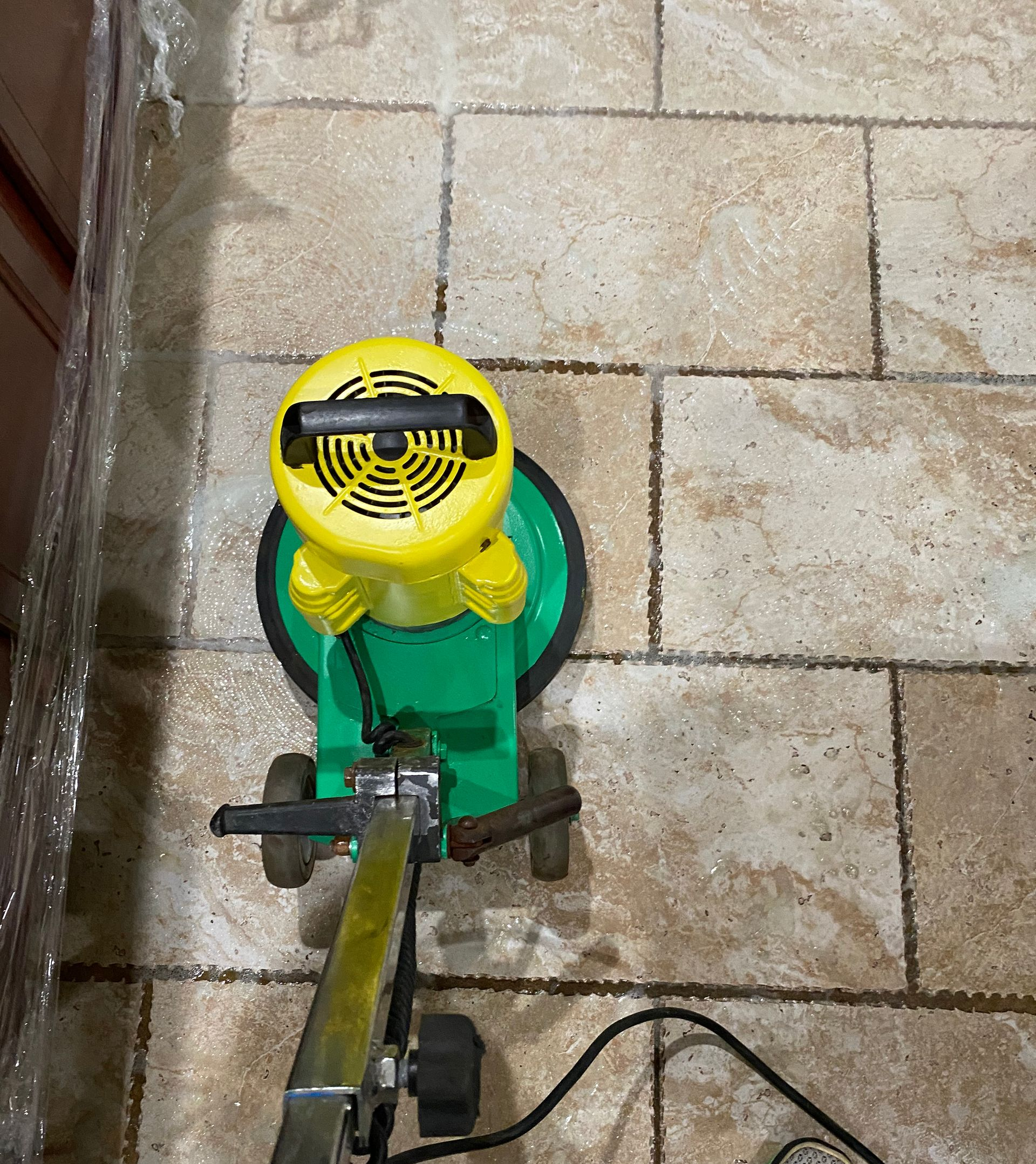
Professional cleaning operates on a completely different level. Rather than spreading solution across the surface and hoping for the best, professionals use high-pressure hot water extraction equipment, machines that push specialized cleaning solutions deep into the grout and then pull the loosened dirt back out. It's not a process that any store-bought product or household tool comes close to replicating.
The cleaning solutions matter too. They're pH-balanced and specifically formulated to break down soap scum, mineral deposits, grease, and mold without damaging the tile or the grout itself. After the extraction is done, a professional-grade sealant gets applied to close off the porous surface and slow down future buildup considerably.
For homeowners in Ambler, Abington, and Cheltenham who have worked their way through every product at the hardware store and still can't get results, this is usually where things finally change. A1 Sparkles Cleaning's tile and grout cleaning services are built around exactly this kind of thorough approach, and the results tend to genuinely surprise people who had written their grout off as permanently stained.
DIY vs Professional Grout Cleaning Methods
Some DIY products are worth using. For light, recent staining, a decent store-bought cleaner and some scrubbing can make a real visible difference. The trouble is that most people dealing with discolored grout aren't working with light staining. They're dealing with buildup that's been accumulating for a year or more, and that's a different problem entirely.
The table below lays out where the two approaches actually differ.
| DIY Cleaning | Professional Cleaning | |
|---|---|---|
| Tools Used | Store-bought brushes, sprays, and household cleaners | High-pressure hot water extraction and professional equipment |
| Cleaning Depth | Surface level only | Deep into the grout pores |
| Effectiveness on Stains | Limited, works on light staining only | Effective on deep, set-in stains |
| Mold and Mildew Removal | Temporary, often returns quickly | Thorough removal with longer-lasting results |
| Time and Effort Required | High, with inconsistent results | Completed efficiently by trained technicians |
| Results Longevity | Short term | Long term, especially with sealing |
| Grout Sealing Included | Not typically included | Applied after cleaning to protect grout |
Regular DIY maintenance still has a place. It's useful for slowing down buildup between professional visits. But if the grout has been darkening for a while and nothing you've tried has made a lasting difference, store-bought products alone aren't going to get you there.
How to Keep Grout Cleaner for Longer
A professional cleaning makes a big difference, but it doesn't last forever on its own. What happens in the weeks and months after is what determines how long those results hold up.
Sealing is the most important step after a professional clean. Without it, grout goes right back to absorbing whatever it comes into contact with, almost immediately. A good protective sealant fills in the absorbent surface and gives it a layer that slows down the whole process of staining and residue accumulation.
Beyond sealing, smaller daily habits add up more than people expect. Wiping down shower walls after use cuts soap scum accumulation significantly. Getting to kitchen spills and grease quickly stops them from setting into the grout lines. Switching to a pH-neutral cleaner for regular maintenance is worth doing too, since harsh chemical cleaners can actually wear down grout sealant over time, leaving the surface more vulnerable than before you cleaned it.
On scheduling, most professionals suggest a deep clean somewhere between every twelve and eighteen months. Busy bathrooms and high-traffic entryways might need it on the shorter end of that range. Less-used areas can usually stretch a bit longer. Staying somewhere in that window is the most practical approach to grout care and keeps buildup from getting out of hand again.
Conclusion
Grout doesn't have to stay dark and discolored. Most of the time, the problem comes down to a material that absorbs everything it touches and cleaning methods that were never really designed to deal with that. Once you understand what's actually causing the buildup, the path to fixing it becomes a lot clearer.
For homeowners across Montgomery County who have been fighting this battle with mops and store-bought sprays, professional cleaning is usually the step that finally makes a lasting difference. If you've tried everything and still can't get your tile surfaces looking clean, A1 Sparkles Cleaning is ready to help. Call us today to schedule a service or learn more about cleaning services in Blue Bell PA and the surrounding areas.